Barrier, steel and formwork, in the last hours before any of it turns into concrete.
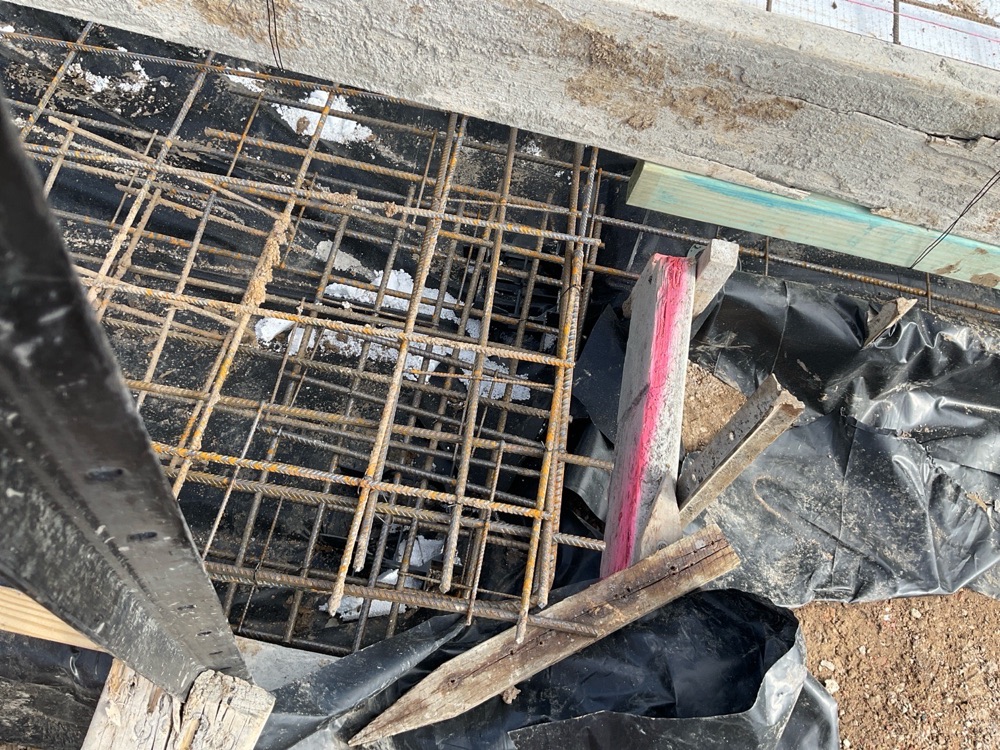
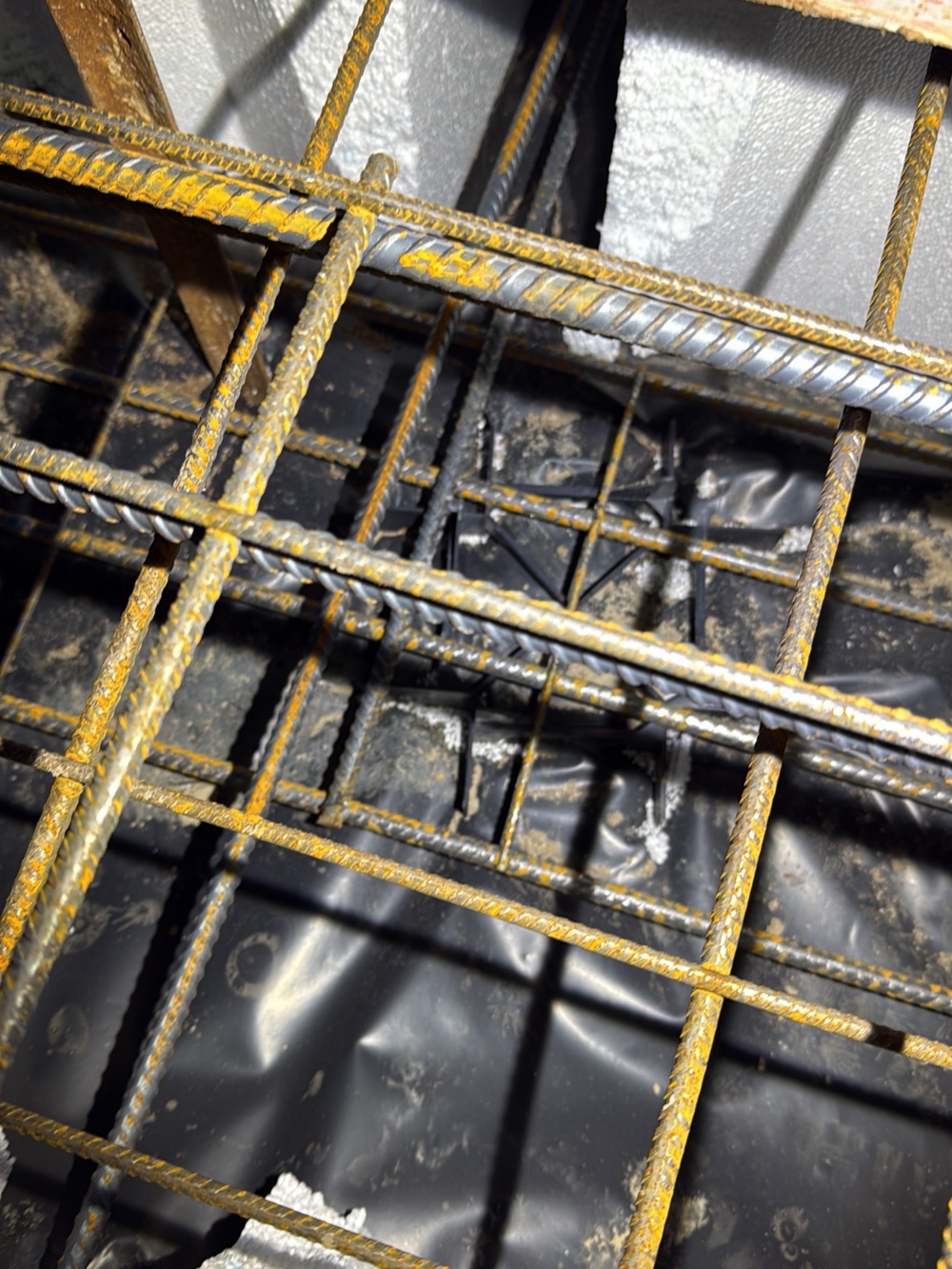
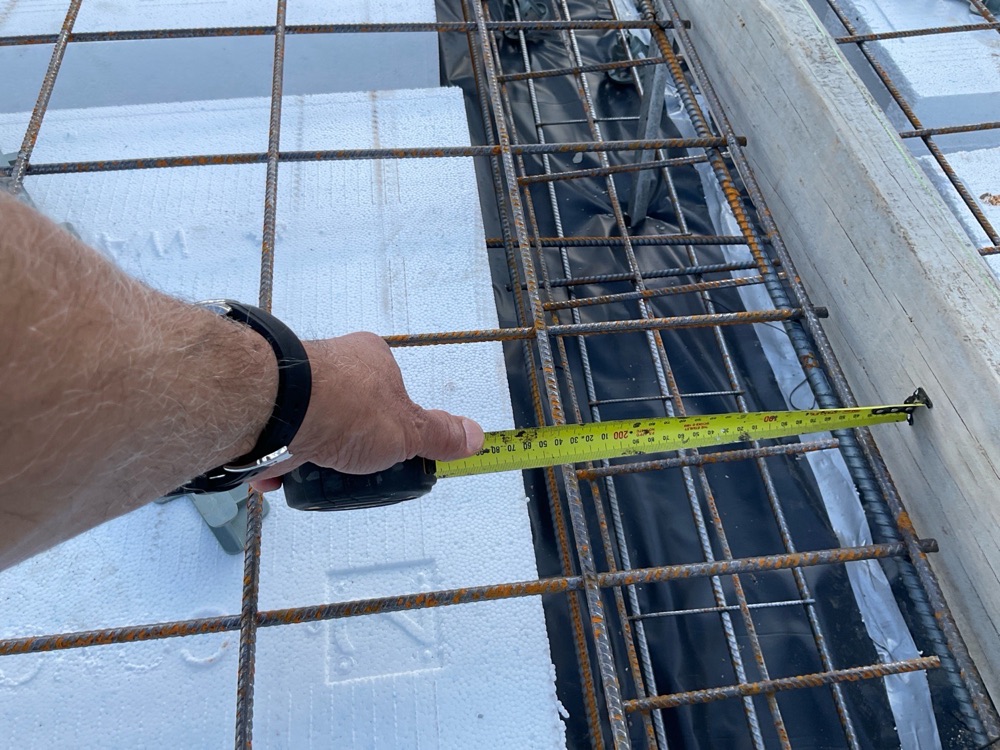
The vapour barrier is where slabs in this corridor most often fall short. We see it stopping before the slab edge and we see punctures left untaped, both of which break the continuous layer the barrier depends on to work at all. The second recurring theme is support: trench mesh laid straight onto the ground instead of sitting on bar chairs, which means the steel ends up with no cover exactly where the beam needs it most. Every home here is a waffle pod raft designed to AS 2870, so debris left between the pods matters too.
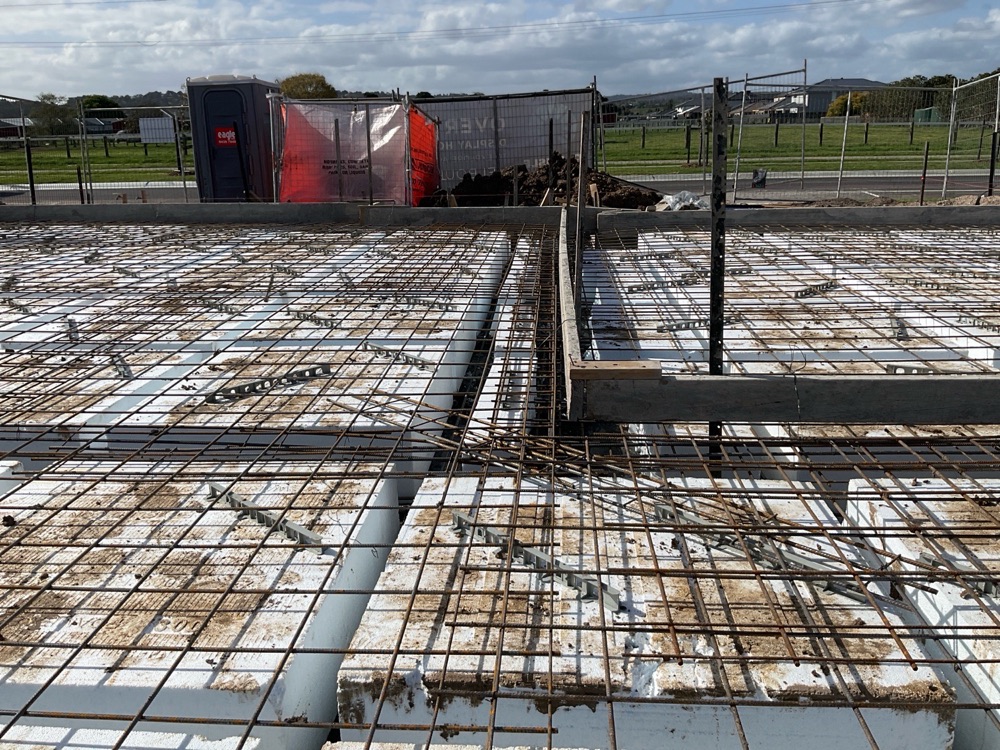
Annotated findings from Slab pre-pour inspections on Pakenham East builds. Client addresses withheld.
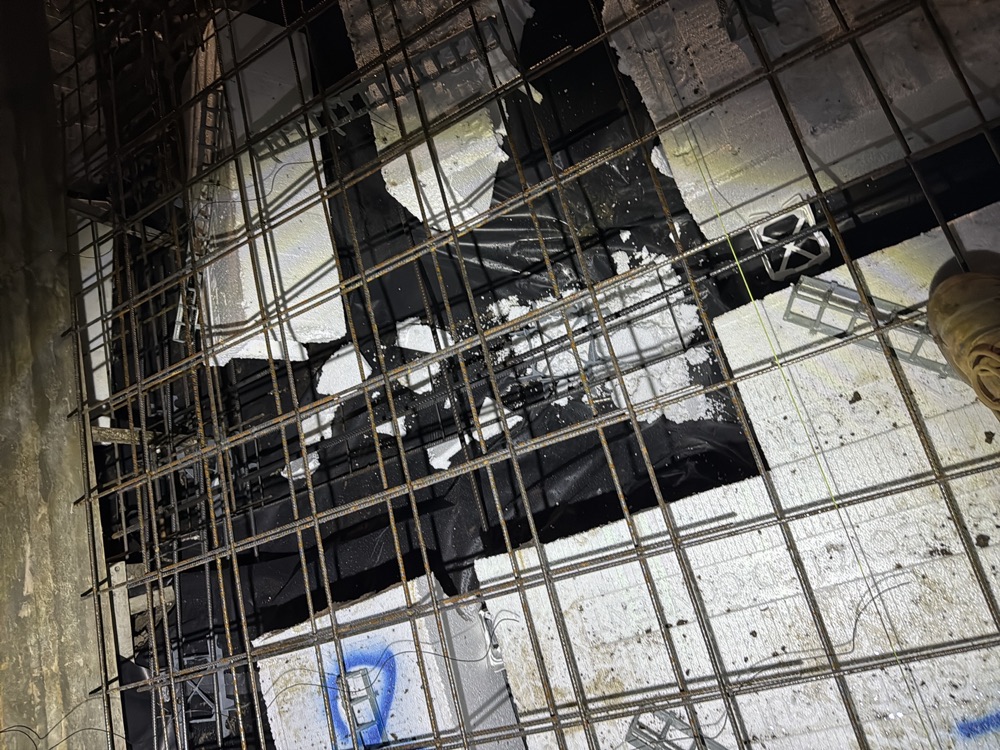
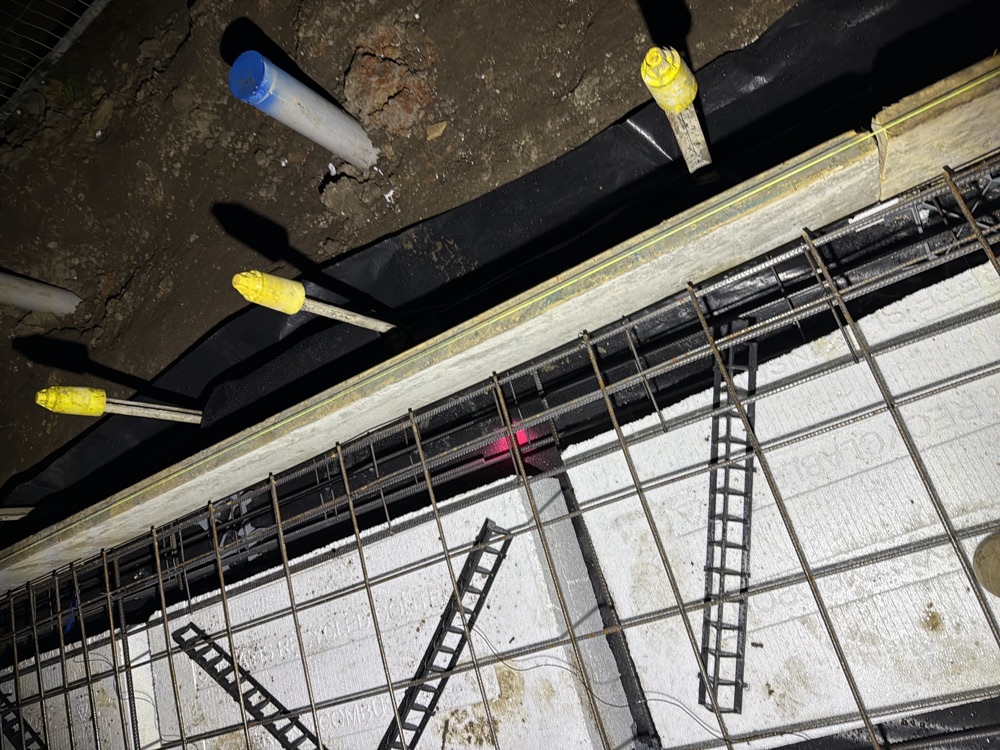 1Bored piersAfter boring and cage placement, before any concrete goes in
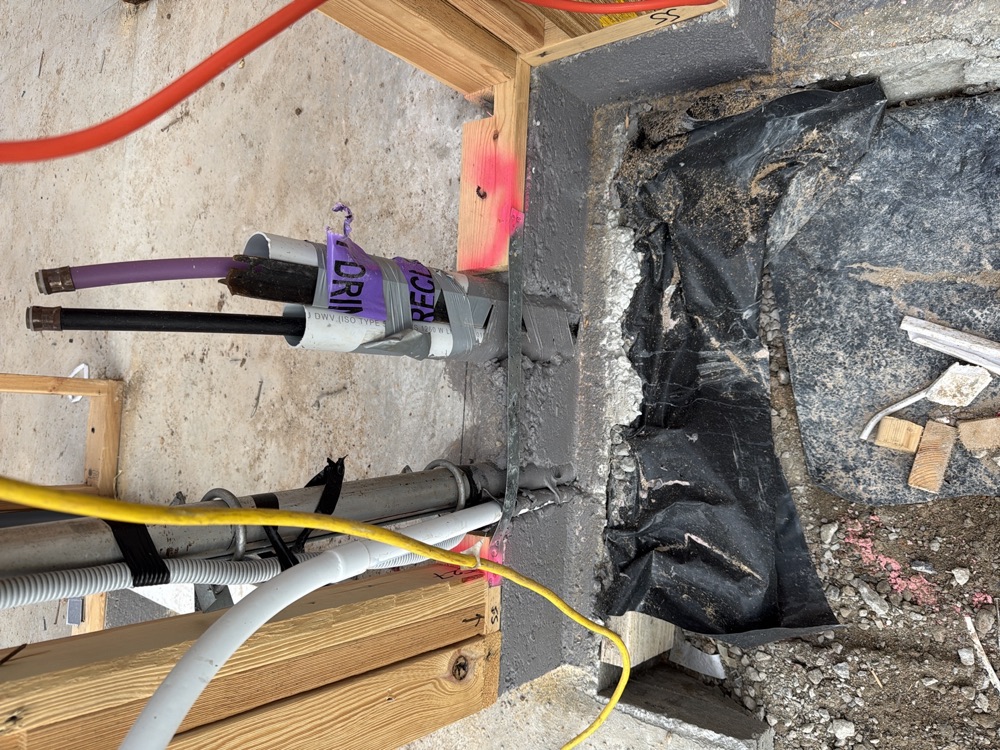 3FrameOnce the frame and trusses are up and the roof is on, before sarking and lining
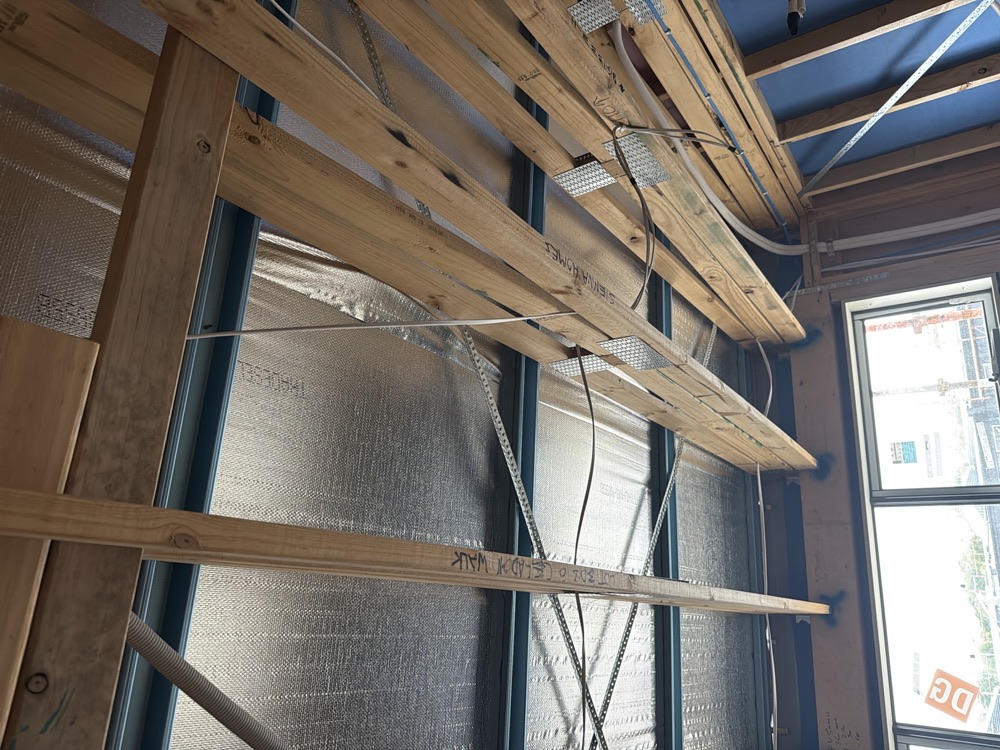 4Lock-up (pre-plaster)After roof, cladding and external doors are on, before the plasterer starts
 5FixingAfter mouldings, doors and joinery, before the painter
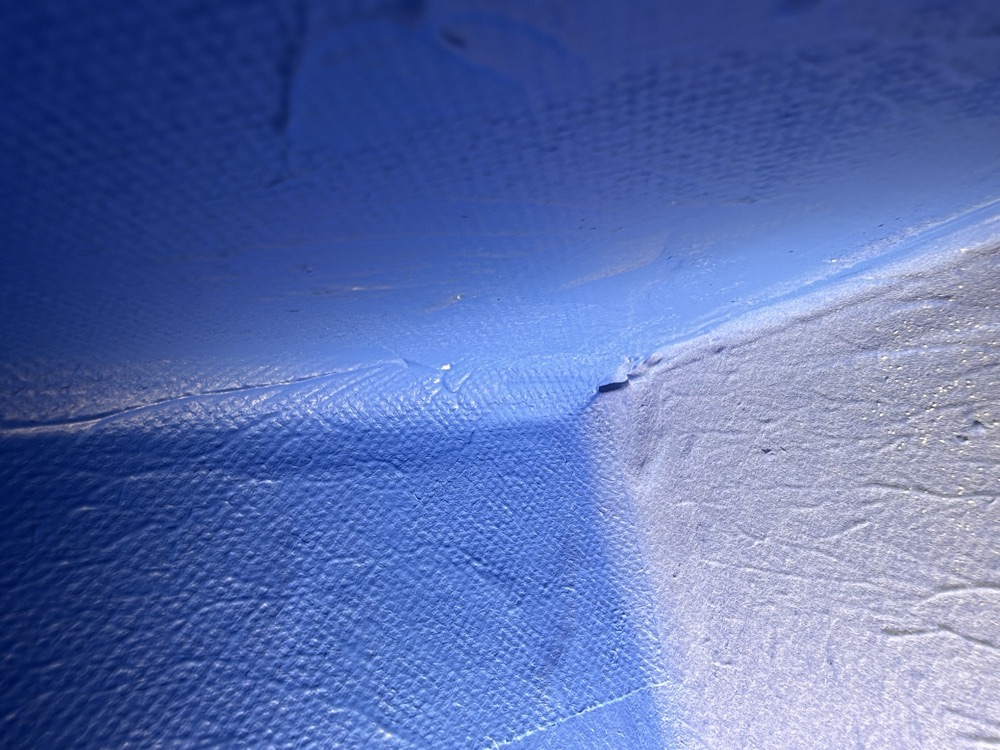 6WaterproofingAfter the membrane is applied and before any tile is laid over it
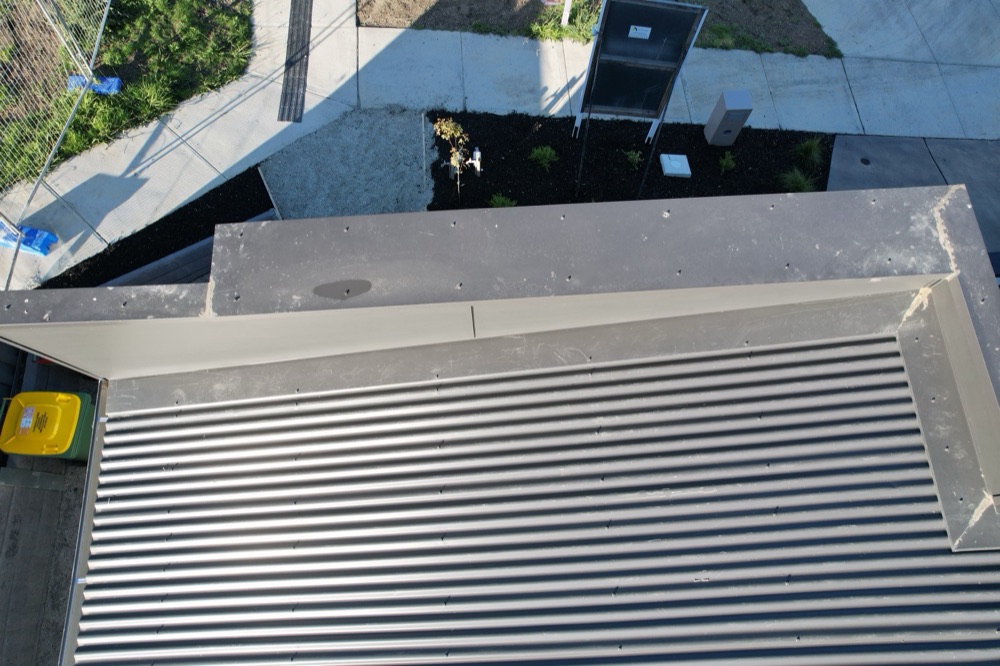 7Pre-handover (PCI)Two to three weeks before your handover date
Instant online pricing, or talk to the booking team on 1300 471 805.
Because a vapour barrier only performs as a continuous membrane. A single unsealed puncture is a direct path for ground moisture into the slab, and it costs a strip of tape to close before the pour.
They hold the steel at the height the engineer designed it to sit at. Mesh lying on the ground gets no concrete beneath it, so it has no cover, and steel without cover is steel that will eventually corrode.
You can inspect the finished slab, but you cannot inspect what is inside it. Everything on the list above becomes invisible the moment the concrete is placed, which is why this one inspection is timed so tightly.
Around an hour to an hour and a half on a standard lot, and the report is usually with you the same evening so the builder can act before the pour.
Tell us and we move with it. Dates shifting is normal on these estates and there is no charge for rescheduling a stage inspection.
We record waste and sewer point locations where they are visible at this stage, because a point in the wrong place is far cheaper to move now than after the slab is down.