Depth, diameter and steel cage position, checked while the hole is still a hole.
Not every lot in this precinct needs piers, but where the engineering calls for them it is usually because of fill or a soft layer that the footing has to reach through. That makes the depth the whole point of the exercise, and it is the one thing nobody can verify after the concrete goes in. We check depth and diameter against the engineering, confirm the cage is centred with its cover and confirm the base is clean rather than sitting on collapsed spoil.
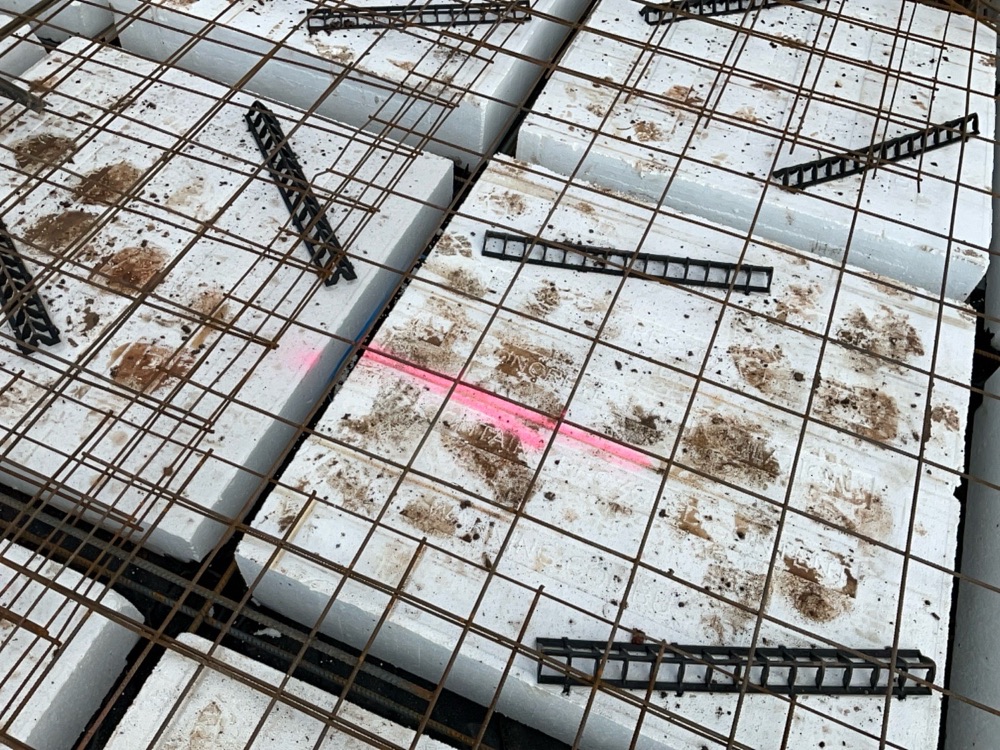
Annotated findings from Bored piers inspections on Pakenham East builds. Client addresses withheld.
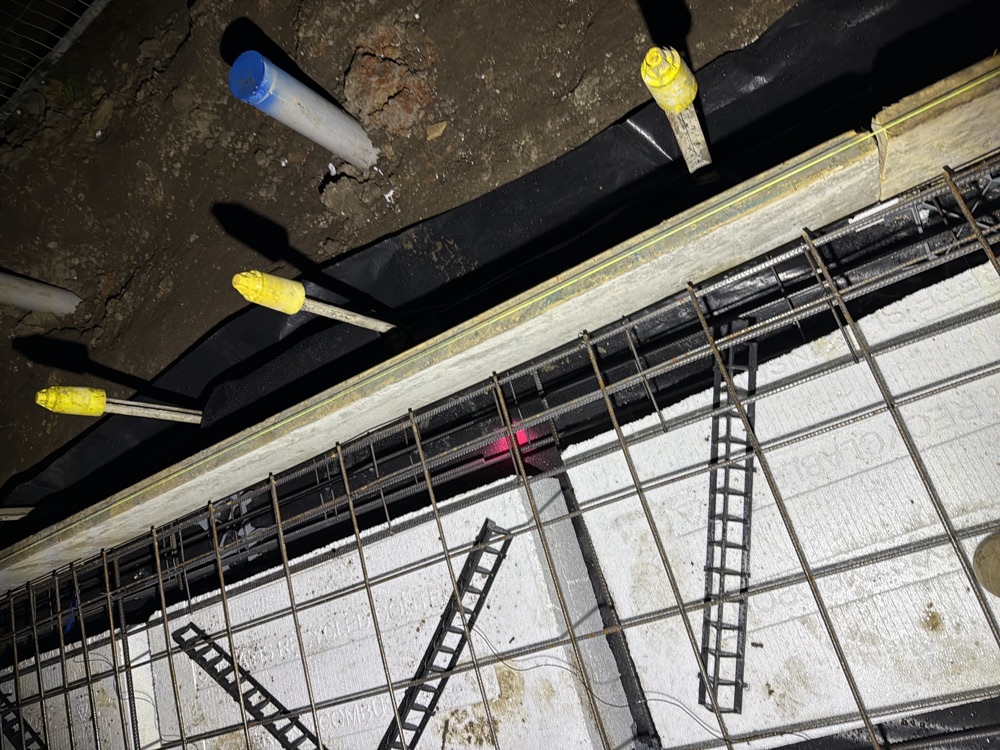
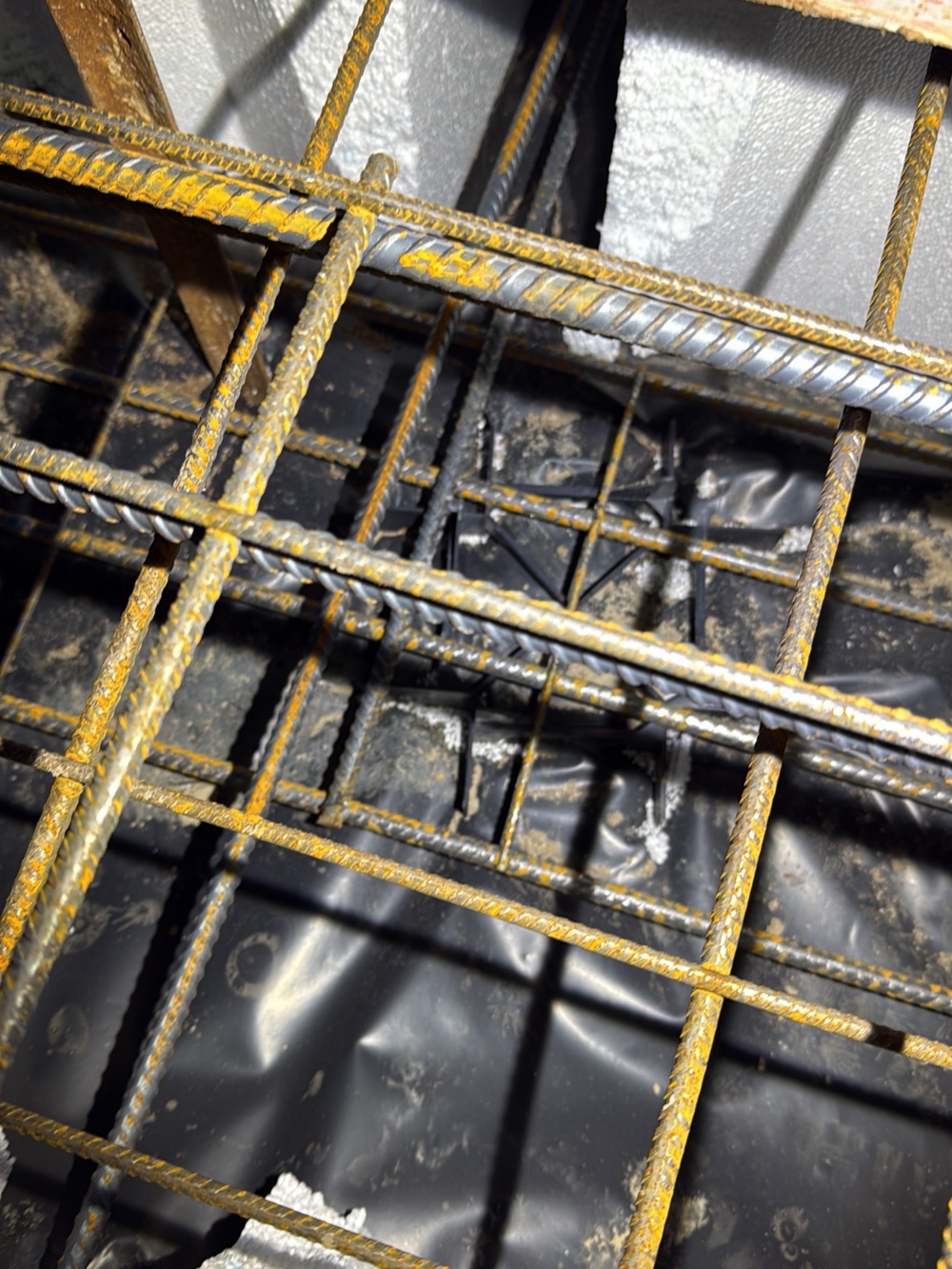
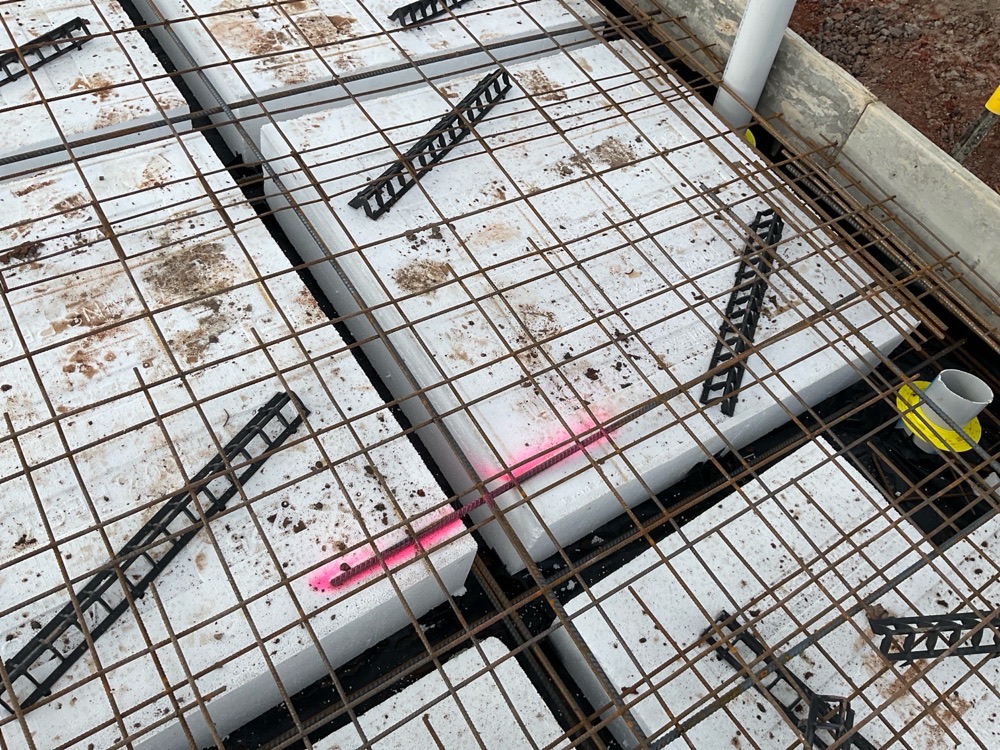
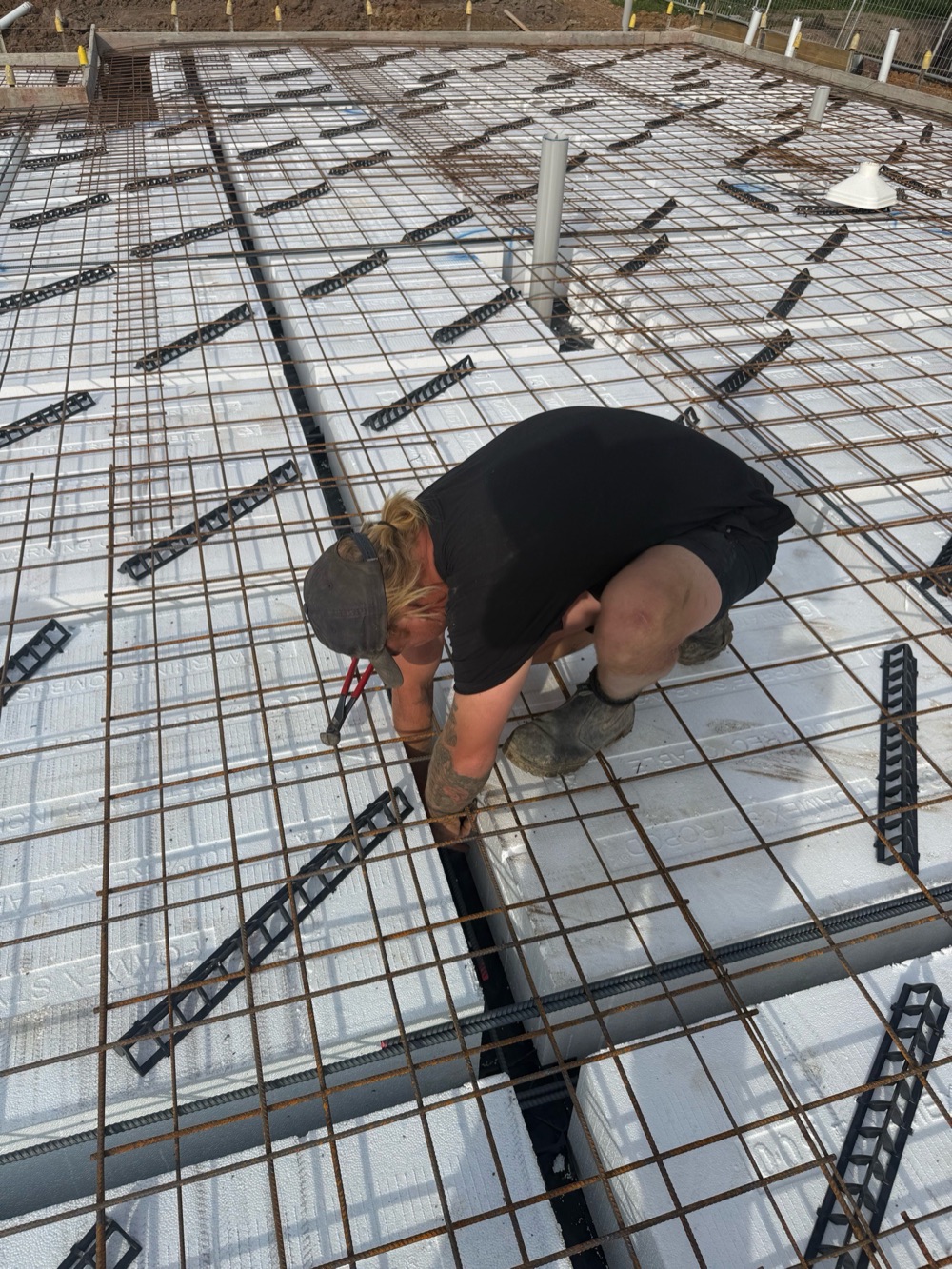
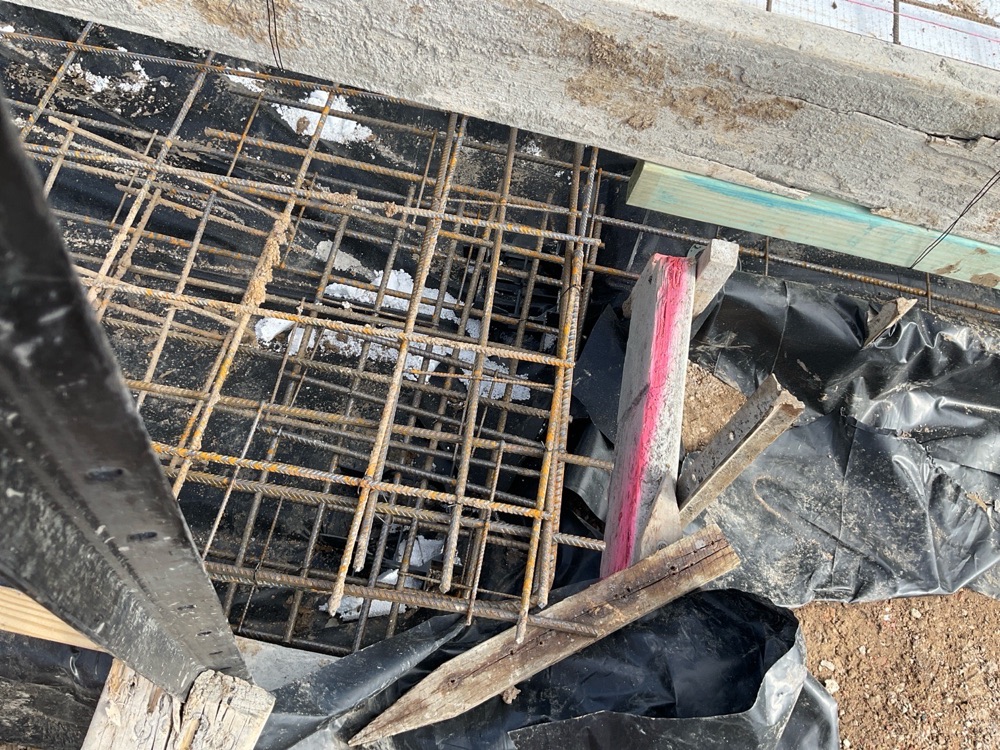 2Slab pre-pourThe day before the pour, steel and formwork complete and open to view
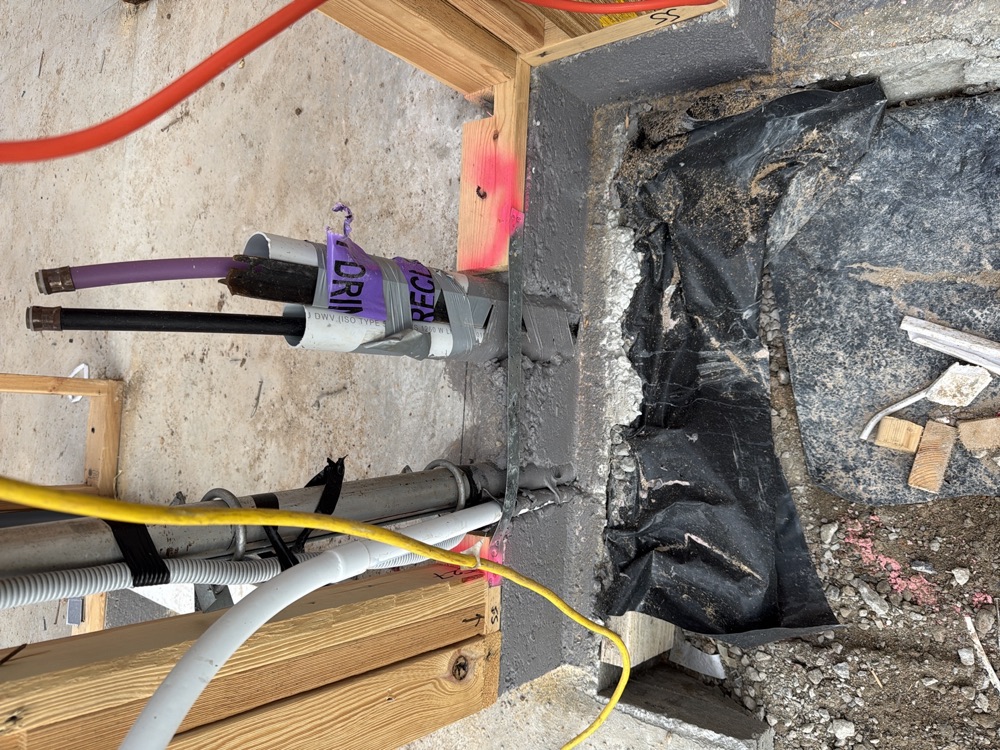 3FrameOnce the frame and trusses are up and the roof is on, before sarking and lining
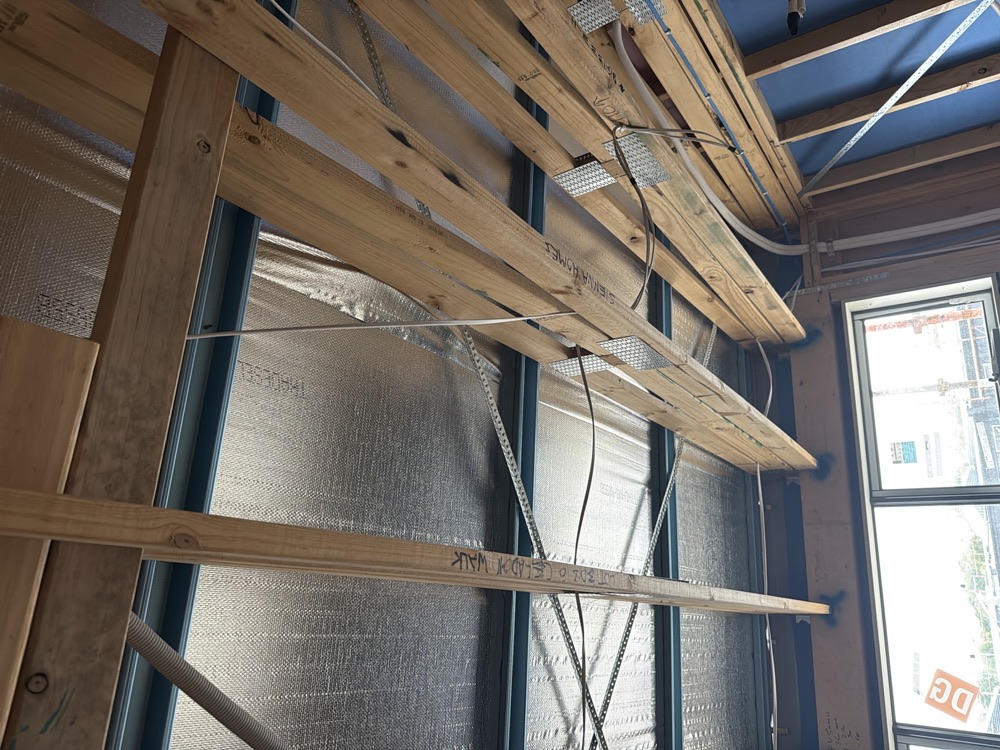 4Lock-up (pre-plaster)After roof, cladding and external doors are on, before the plasterer starts
 5FixingAfter mouldings, doors and joinery, before the painter
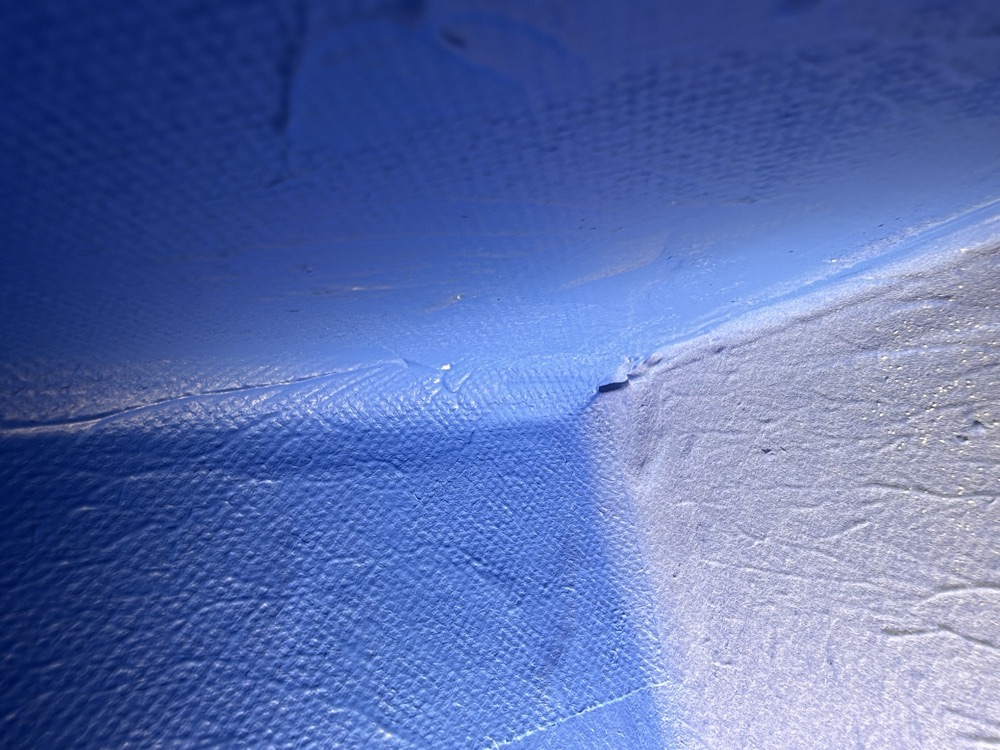 6WaterproofingAfter the membrane is applied and before any tile is laid over it
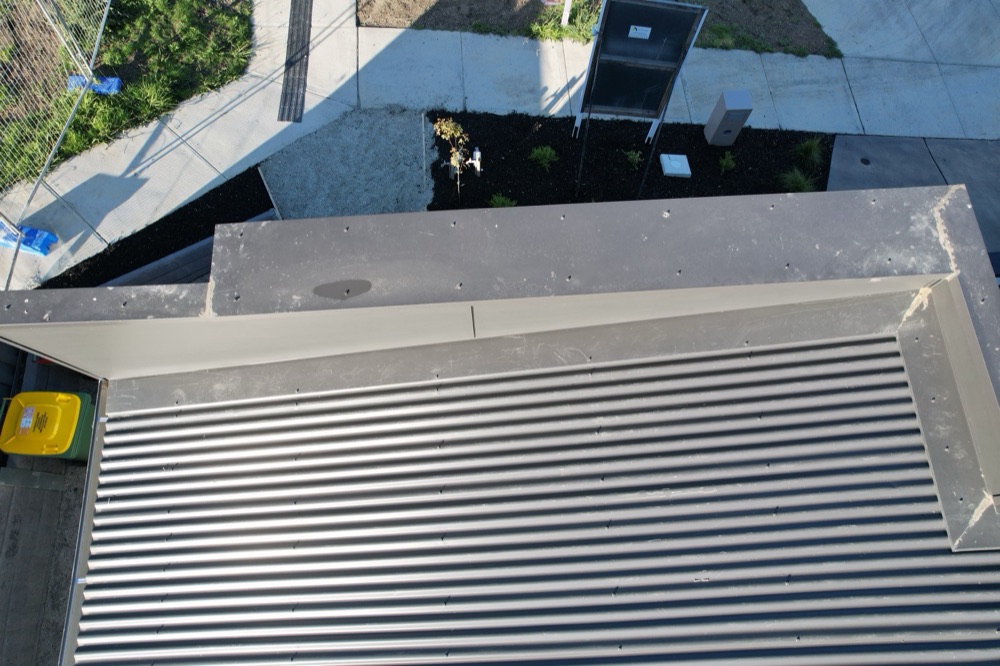 7Pre-handover (PCI)Two to three weeks before your handover date
Instant online pricing, or talk to the booking team on 1300 471 805.
Under an hour on a standard residential lot, longer where the pier count is high or access across the site is difficult.
It goes in the report with the measured depth beside the required depth. The remedy is the builder's and their engineer's to propose; our role is to establish the discrepancy while it is still visible.
No. We record what was observed against the engineering. Certification of a footing system is an engineer's function and the report says where one is needed.
It can be, because concrete placed into standing water does not achieve its designed strength at the base. It is recorded so it can be pumped out before the pour rather than argued about later.
Usually yes. Piers are often bored and poured within a day or two, so tell us as soon as the date is set rather than when it is certain.
The engineering drawing for your lot showing pier depths, diameters and locations. Without it the inspection can only report what is there, not whether it matches what was specified.